
Super Duplex 2507 Stud Bolt Price Guide for US Procurement
Understand the key factors affecting Super Duplex 2507 stud bolt pricing, from raw material and dimensions to certification, machining, delivery, and supplier capability.
Designed for US buyers in offshore, chemical processing, desalination, marine, and other corrosion-sensitive industrial applications.
Request a Quote
Ask for Technical Support
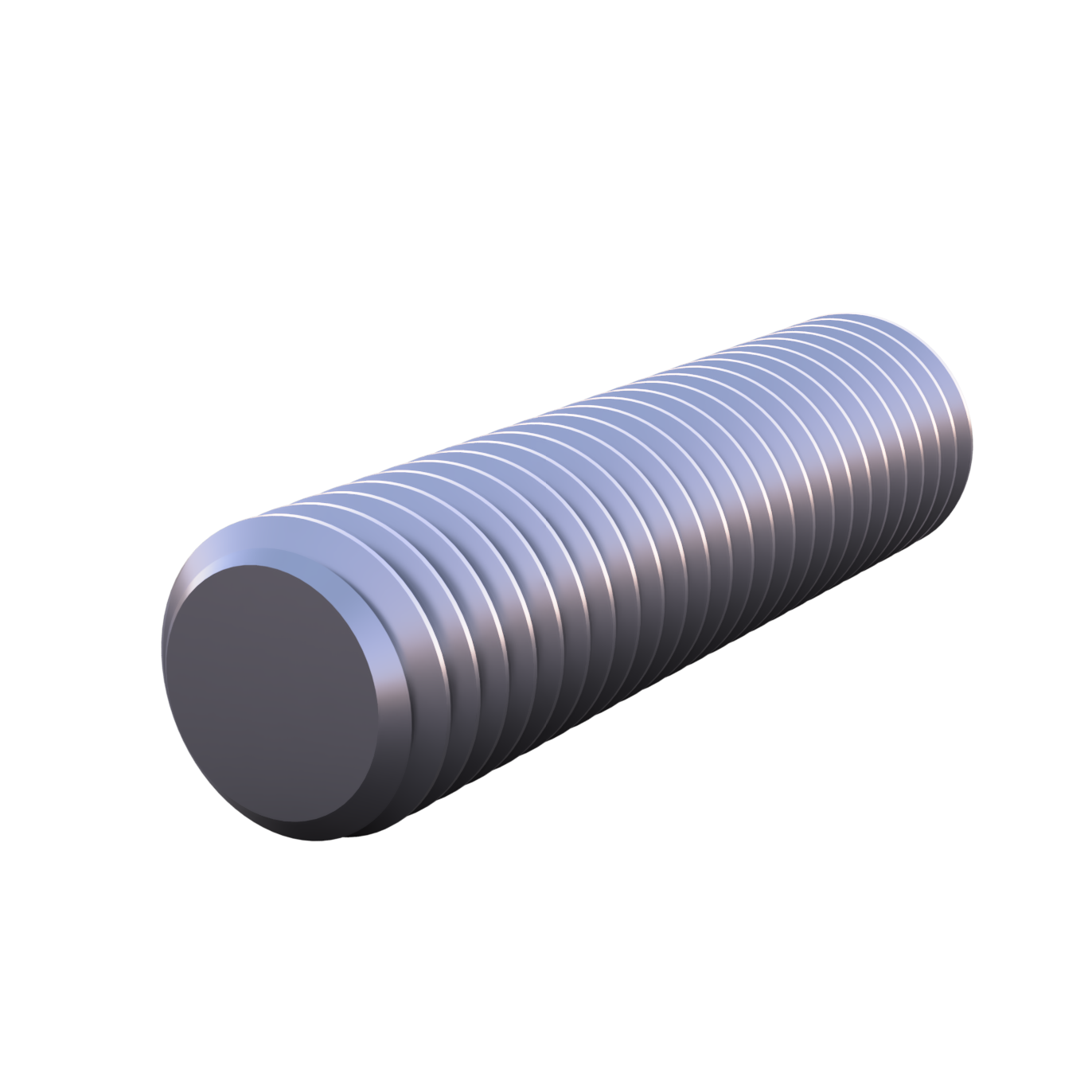
Why This Guide Matters
For US buyers in offshore, chemical processing, desalination, and other corrosion-sensitive industries, Super Duplex 2507 stud bolts are often selected for their high strength and excellent chloride corrosion resistance. However, pricing depends on more than raw material alone. This guide explains the main factors affecting Super Duplex 2507 stud bolt price and helps procurement teams prepare more accurate RFQs, compare suppliers more effectively, and reduce sourcing risk.
Key Points at a Glance
- Super Duplex 2507 stud bolt price depends on material, dimensions, standards, machining, certification, quantity, and delivery time.
- The lowest quoted unit price is not always the lowest total procurement cost.
- Clear RFQ details help buyers receive faster and more accurate quotations.
- Super Duplex 2507 is widely used in offshore, marine, chemical, and desalination applications.
- Supplier capability, traceability, and inspection support are critical for industrial projects.
What Is a Super Duplex 2507 Stud Bolt?
A Super Duplex 2507 stud bolt is a high-performance fastening product manufactured from UNS S32750 Super Duplex stainless steel, a material known for combining high mechanical strength with excellent corrosion resistance in chloride-containing environments.
Compared with conventional stainless steel grades, Super Duplex 2507 is better suited for aggressive service conditions such as seawater exposure, chemical media, and high-pressure industrial bolting systems. It is often selected when buyers need both strength and corrosion resistance in one material solution.
Typical performance advantages include:
- High tensile strength
- Strong pitting and crevice corrosion resistance
- Reliable performance in marine and offshore environments
- Longer service life in corrosive industrial systems
Common application areas include:
- Offshore and marine flange connections
- Chemical plant piping systems
- Desalination units and seawater systems
- Heat exchangers and pressure vessel bolting
- Equipment used in chloride-rich service environments
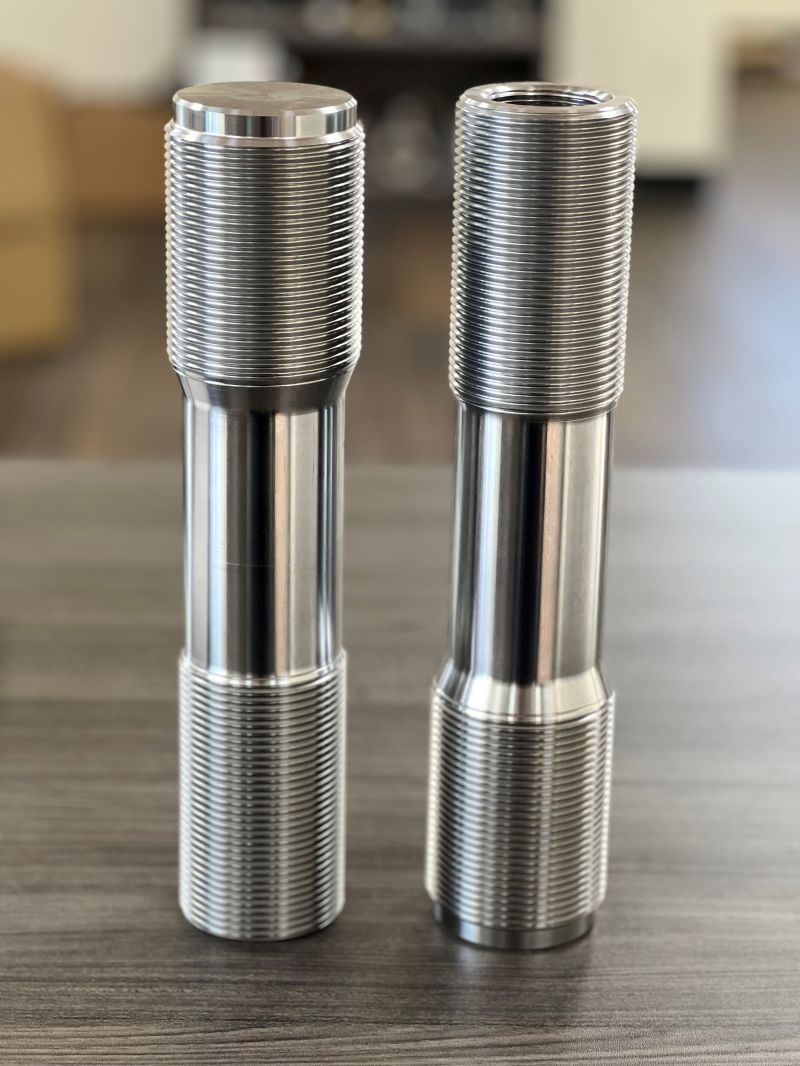
What Affects Super Duplex 2507 Stud Bolt Price?
The price of a Super Duplex 2507 stud bolt is usually determined by several combined technical and commercial factors rather than one single cost element. Procurement teams should evaluate pricing in a structured way to avoid inaccurate comparisons.
1. Raw Material Cost
The first major factor is the cost of the Super Duplex 2507 raw material itself. Since this alloy contains higher-value alloying elements and is designed for demanding corrosion service, its material cost is naturally higher than many conventional stainless steel grades. Fluctuations in alloy prices can directly affect quotation levels.
2. Diameter, Length, and Thread Specification
Stud bolt pricing also depends heavily on the required dimensions. Larger diameters, longer lengths, and special thread forms generally result in higher production cost. Thread standard, tolerance requirements, and non-standard dimensions can all increase machining complexity.
3. Standard and Technical Specification Requirements
In industrial fastener procurement, the product is not purchased by material name alone. Buyers often require compliance with project specifications, drawings, traceability standards, and dimensional control requirements.
4. Machining and Processing Complexity
Stud bolts are not always simple cut-thread products. Depending on the project requirement, additional processing may be needed, such as chamfering, end finishing, rolled or cut threads, identification marking, and surface cleaning.
5. Testing, Inspection, and Certification
For many industrial buyers, the price of the stud bolt cannot be separated from inspection support. Requirements such as PMI, EN 10204 3.1 certificate, dimensional inspection, and traceability can affect the total quoted price.
6. Quantity and Order Volume
Order quantity has a direct effect on unit price. Small trial orders or custom runs usually have a higher unit cost, while larger quantities often allow better cost allocation across machining, inspection, and packaging.
7. Delivery Time and Shipping Method
Lead time and logistics method can also affect total cost. Urgent schedules, production prioritization, and fast shipping options usually result in higher delivered pricing.
The first major factor is the cost of the Super Duplex 2507 raw material itself. Since this alloy contains higher-value alloying elements and is designed for demanding corrosion service, its material cost is naturally higher than many conventional stainless steel grades. Fluctuations in alloy prices can directly affect quotation levels.
Stud bolt pricing also depends heavily on the required dimensions. Larger diameters, longer lengths, and special thread forms generally result in higher production cost. Thread standard, tolerance requirements, and non-standard dimensions can all increase machining complexity.
In industrial fastener procurement, the product is not purchased by material name alone. Buyers often require compliance with project specifications, drawings, traceability standards, and dimensional control requirements.
Stud bolts are not always simple cut-thread products. Depending on the project requirement, additional processing may be needed, such as chamfering, end finishing, rolled or cut threads, identification marking, and surface cleaning.
For many industrial buyers, the price of the stud bolt cannot be separated from inspection support. Requirements such as PMI, EN 10204 3.1 certificate, dimensional inspection, and traceability can affect the total quoted price.
Order quantity has a direct effect on unit price. Small trial orders or custom runs usually have a higher unit cost, while larger quantities often allow better cost allocation across machining, inspection, and packaging.
Lead time and logistics method can also affect total cost. Urgent schedules, production prioritization, and fast shipping options usually result in higher delivered pricing.
Typical Price Considerations for US Procurement Teams
US buyers typically evaluate industrial fasteners not only on quoted price, but on the overall purchasing result. In many cases, the lowest quote is not automatically the most economical option.
Lowest Unit Price vs. Lowest Total Cost
A lower unit price may not be the best option if it creates hidden costs through quality issues, shipment delays, or rework during installation.
Hidden Risks in Corrosive-Service Sourcing
If supplied fasteners do not meet the required grade, inspection standard, or documentation level, the resulting cost can far exceed the original price difference.
Project Procurement vs. Distributor Stocking
Project buyers often focus on compliance, traceability, documentation, and delivery commitment, while distributors focus more on standard size availability, repeatability, and stock turnover.
How to Get an Accurate Super Duplex 2507 Stud Bolt Quote
If you want a quotation that is fast, accurate, and commercially realistic, your RFQ should include clear technical and commercial information. The more complete your inquiry is, the more efficient the quotation process becomes.
Why Technical Clarity Matters
In industrial procurement, unclear RFQs often cause delays, repeated clarification, or inaccurate assumptions. A well-prepared inquiry helps both buyer and supplier move faster, reduce sourcing mistakes, and improve quotation accuracy.
Buyers Should Ideally Provide the Following
- Required material grade
- Applicable standard or project specification
- Diameter and length
- Thread type and thread standard
- Quantity
- Nut and washer requirements
- Certificate or testing requirements
- Destination port or delivery location
- Required delivery date
- Drawing, sketch, or technical notes if available
Why Super Duplex 2507 Is Chosen for Corrosive Industrial Service
Although Super Duplex 2507 stud bolts typically cost more than standard stainless steel fasteners, they are selected because the material solves performance problems that lower-grade materials may not handle effectively.
High Strength
Super Duplex 2507 provides high mechanical strength, making it suitable for demanding industrial bolting applications where both structural reliability and corrosion resistance are required.
Strong Chloride Corrosion Resistance
One of the key reasons buyers select 2507 is its excellent resistance in chloride-rich environments, especially in offshore, marine, desalination, and chemical processing applications.
Longer-Term Value
In corrosive service, a higher-grade fastener can provide better lifecycle value by reducing failure risk, shutdown cost, and replacement frequency.
Supplier Selection Tips for US Buyers
When sourcing Super Duplex 2507 stud bolts, procurement teams should evaluate suppliers on technical and operational capability, not just on the first quotation received.
Confirm Production Capability
Check whether the supplier can support your required size range, thread specification, production route, and order quantity.
Verify Inspection and Documentation Support
Confirm whether the supplier can provide traceability, inspection records, and certification support required by your project.
Review Export Packaging and Delivery Reliability
Proper packing, marking, and export handling help reduce the risk of damage, mix-up, or shipping issues.
Choose a Supplier Familiar With Industrial Projects
Suppliers experienced in offshore, chemical, marine, or water treatment applications usually reduce sourcing and project risk.
Conclusion
The price of a Super Duplex 2507 stud bolt is influenced by much more than raw material cost alone. For US procurement teams, a reliable purchasing decision should consider grade authenticity, specification requirements, machining complexity, certification support, delivery expectations, and supplier capability.
A competitive quotation is important, but in industrial applications, the more important objective is to secure the right product, with the right documentation, delivered on time, and suitable for the real service environment.
If you are sourcing Super Duplex 2507 stud bolts for offshore, chemical, desalination, or other corrosive-service applications, a clear RFQ is the best way to obtain a fast and accurate quotation while reducing procurement risk.
Frequently Asked Questions
What affects Super Duplex 2507 stud bolt price the most?
The main factors include raw material cost, dimensions, thread requirements, standards, machining complexity, inspection, certification, quantity, and lead time.
Is Super Duplex 2507 more expensive than 2205 or 316 stainless steel?
In most cases, yes. Super Duplex 2507 usually costs more because it offers higher strength and stronger corrosion resistance for demanding industrial service environments.
What industries commonly use Super Duplex 2507 stud bolts?
These stud bolts are widely used in oil and gas, offshore, marine, chemical processing, desalination, and other aggressive corrosion-service applications.
What information should I provide for an accurate quotation?
You should provide the required grade, standard, size, thread type, quantity, certificate requirement, delivery location, and delivery timeline. Drawings or technical notes are also helpful.
Can Super Duplex 2507 stud bolts be supplied with inspection certificates?
Yes, depending on order requirements, suppliers can often provide inspection and documentation support such as material traceability and EN 10204 3.1 certification.
Why is supplier experience important in industrial fastener procurement?
Because industrial projects often involve strict standards, technical review, traceability, and delivery control. An experienced supplier helps reduce sourcing errors and project risk.
The main factors include raw material cost, dimensions, thread requirements, standards, machining complexity, inspection, certification, quantity, and lead time.
In most cases, yes. Super Duplex 2507 usually costs more because it offers higher strength and stronger corrosion resistance for demanding industrial service environments.
These stud bolts are widely used in oil and gas, offshore, marine, chemical processing, desalination, and other aggressive corrosion-service applications.
You should provide the required grade, standard, size, thread type, quantity, certificate requirement, delivery location, and delivery timeline. Drawings or technical notes are also helpful.
Yes, depending on order requirements, suppliers can often provide inspection and documentation support such as material traceability and EN 10204 3.1 certification.
Because industrial projects often involve strict standards, technical review, traceability, and delivery control. An experienced supplier helps reduce sourcing errors and project risk.
Need a quotation for Super Duplex 2507 stud bolts?
Send us your required size, thread type, quantity, and specification for a faster and more accurate response.
Technical support, certificate discussion, and export supply assistance available.
Request Your Quote
Send us your specification, size, quantity, and project requirements. Our team will respond with pricing and technical support as quickly as possible.
Need urgent support? Contact our team directly for faster project communication.
